
Patient Engagement through Technology: Transforming Care in the Digital Era
Healthcare has always been about people—not just diagnoses, treatments, or reports, but the human connection between a patient and their care team. And here’s the truth: when patients are actively involved in their own health journey, outcomes improve dramatically. Whether it’s sticking to a physiotherapy routine, managing a chronic condition, or recovering after surgery, engagement makes all the difference.
But in today’s digital-first world, patient engagement is no longer limited to clinic visits, conversations, or a stack of printed instructions. Technology is stepping in as a game-changer—reshaping how patients and providers connect, share information, and work together for better health outcomes.
From wearables and mobile apps to gamified rehab systems and AI-driven insights, digital tools are making healthcare more interactive, transparent, and personal than ever before.
Why Patient Engagement Matters More Than Ever
Before diving into the tech side, let’s pause for a moment—why does engagement matter so much?
-
Better Health Outcomes: Patients who understand and participate in their treatment recover faster and face fewer complications.
-
Prevention Over Cure: Engaged patients catch risks earlier, helping shift healthcare from reactive to proactive.
-
Trust & Confidence: When patients feel informed, they trust their providers more and report higher satisfaction.
-
Stronger Clinics: Happy patients become loyal advocates—fueling reputation and growth through word-of-mouth.
Technology: The Bridge Between Patients and Providers
Technology doesn’t replace healthcare professionals—it empowers them. Think of it as a bridge that connects data, therapy, and the human experience. Here’s how it’s making an impact:
1. Digital Health Platforms
Patient portals and apps give people instant access to their reports, exercise routines, and progress charts. No more waiting weeks for updates—patients can see their journey in real-time. For physiotherapy, this might mean visual gait reports or mobility scores that make progress feel tangible.
2. Wearables & Remote Monitoring
Smart devices like trackers, insoles, and connected monitors keep an eye on health 24/7. Clinicians can see whether exercises are being followed—or spot early warning signs before they escalate. For chronic conditions, this can be life-changing.
3. Gamified Rehabilitation
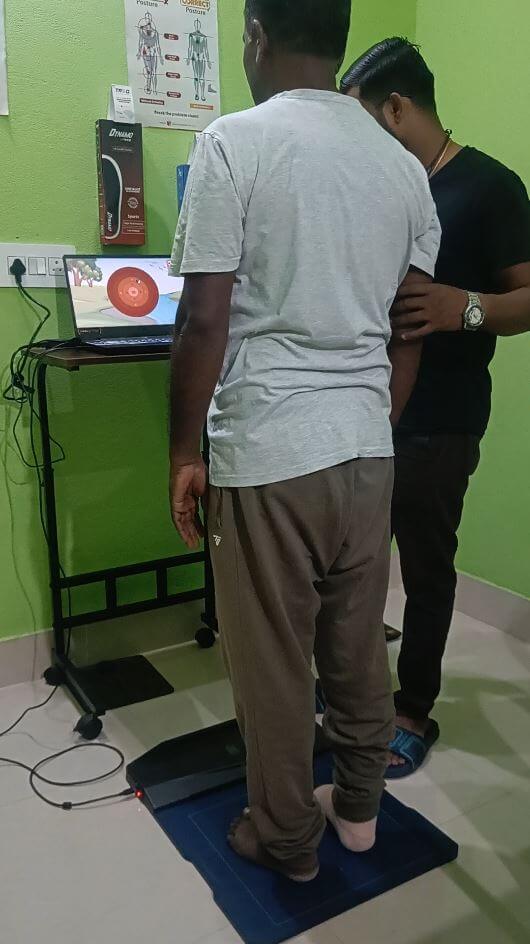
Rehab can be tough—but what if it felt like a game? Gamified therapy makes exercises interactive and rewarding. Imagine an elderly patient practicing balance by playing a digital “catch the ball” game. Suddenly, rehab feels less like a chore and more like a challenge worth enjoying.
4. Telehealth & Virtual Consultations
Beyond convenience, telehealth keeps patients accountable. Quick check-ins, follow-ups, or adjustments can happen from anywhere, ensuring no one feels left behind due to distance or time constraints.
5. AI & Predictive Analytics
AI tools analyze patient data to predict risks and personalize care. For example, they can detect dangerous pressure points in diabetic patients’ feet before ulcers form—helping prevent major complications.
Seeing Is Believing: The Role of Visualization
One of the main reasons patients disengage is simple: they don’t see what’s going on. Medical jargon and numbers can feel overwhelming.
Technology makes things crystal clear:
-
Colorful plantar pressure maps reveal exactly where risks lie.
-
Gait videos highlight imbalances with easy-to-understand visuals.
-
Progress dashboards turn data into a story of achievement.
When patients see their health progress, they don’t just follow instructions—they feel motivated to keep going.
A Real-World Example: Smart Mats in Physiotherapy
Take a small physiotherapy clinic that introduced smart mats to measure balance and gait.
-
Before: Assessments were manual and subjective. Patients didn’t fully understand their issues, and motivation often faded.
-
After: Patients could see pressure maps and colorful graphs of their progress. Rehab was gamified, making sessions enjoyable. Each report gave them a sense of achievement.
The result? Patients stuck to their routines, dropout rates dropped, and the clinic gained a reputation for being both modern and patient-friendly.
The Benefits of Tech-Driven Engagement
-
Higher Treatment Adherence: Apps send reminders, while gamification makes routines enjoyable.
-
Stronger Communication: Patients get 24/7 access to data, answers, and updates—building trust and confidence.
-
Truly Personalized Care: With live data, treatment plans can be adjusted in real time.
-
Faster Recovery & Prevention: Early interventions mean fewer complications and fewer hospital visits.
-
Empowered Patients: Most importantly, patients feel in control of their own health journey.
The Challenges We Must Tackle
-
Digital Literacy: Not all patients are comfortable with tech.
-
Cost & Accessibility: Smaller clinics may struggle with high-tech tools.
-
Data Security: Patients need reassurance that their information is safe.
-
Maintaining the Human Touch: Technology must support—not replace—the personal bond between patients and providers.
Overcoming these challenges will require thoughtful design, patient education, and a balance between digital and human interaction.
What the Future Holds
The next wave of patient engagement is even more exciting:
-
VR Rehab: Therapy through immersive simulations that patients actually look forward to.
-
At-Home Smart Devices: Portable mats and wearables sending live data straight to clinics.
-
AI Health Coaches: Personalized digital assistants guiding patients in real-time.
-
Lifestyle Integration: Linking medical data with fitness, nutrition, and mental health apps for a complete health ecosystem.
Final Thoughts
Patient engagement through technology is no longer a luxury—it’s a necessity. It makes healthcare transparent, interactive, and empowering. For clinics, it’s a chance to stand out. For patients, it’s about taking charge of their health with confidence.
At its heart, technology doesn’t replace care—it amplifies it. By turning complex data into visuals, exercises into games, and treatment plans into ongoing conversations, healthcare becomes a partnership.
The future belongs to those who don’t just treat patients but truly engage them—and technology is the key that makes it possible.